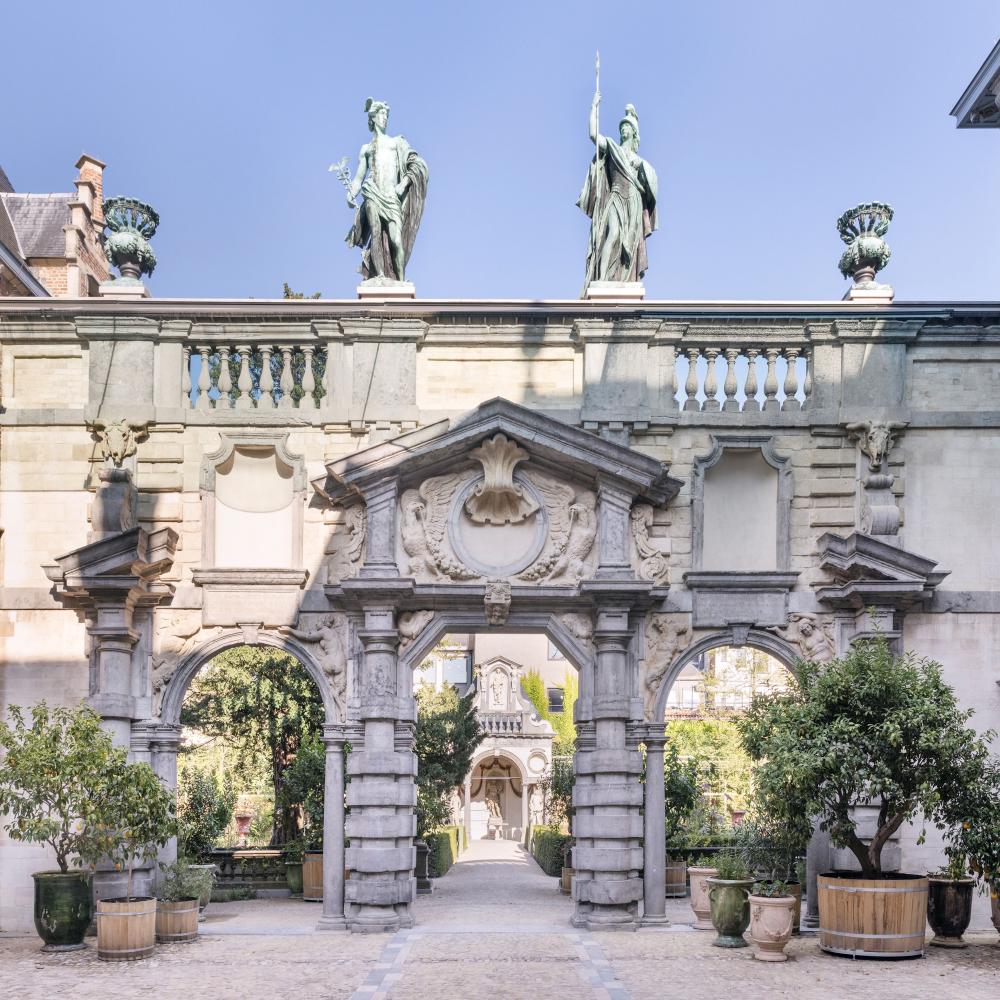
The Rubenshuis is a mix of functions in the heart of the city. Wasn't that a complex commission?
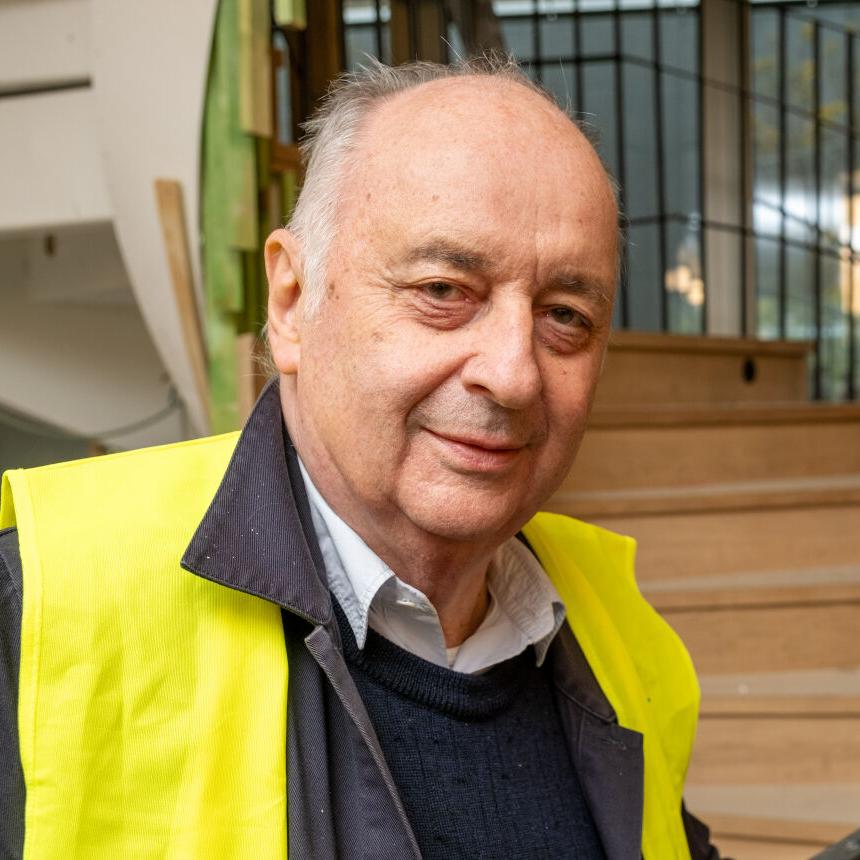
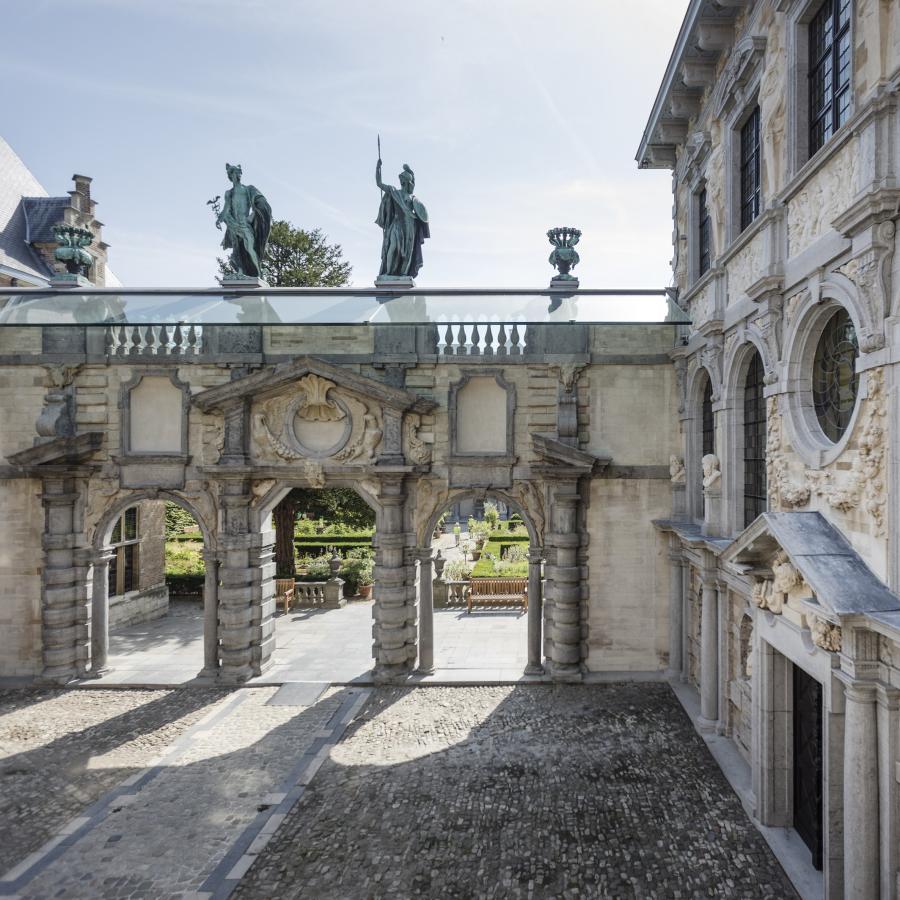
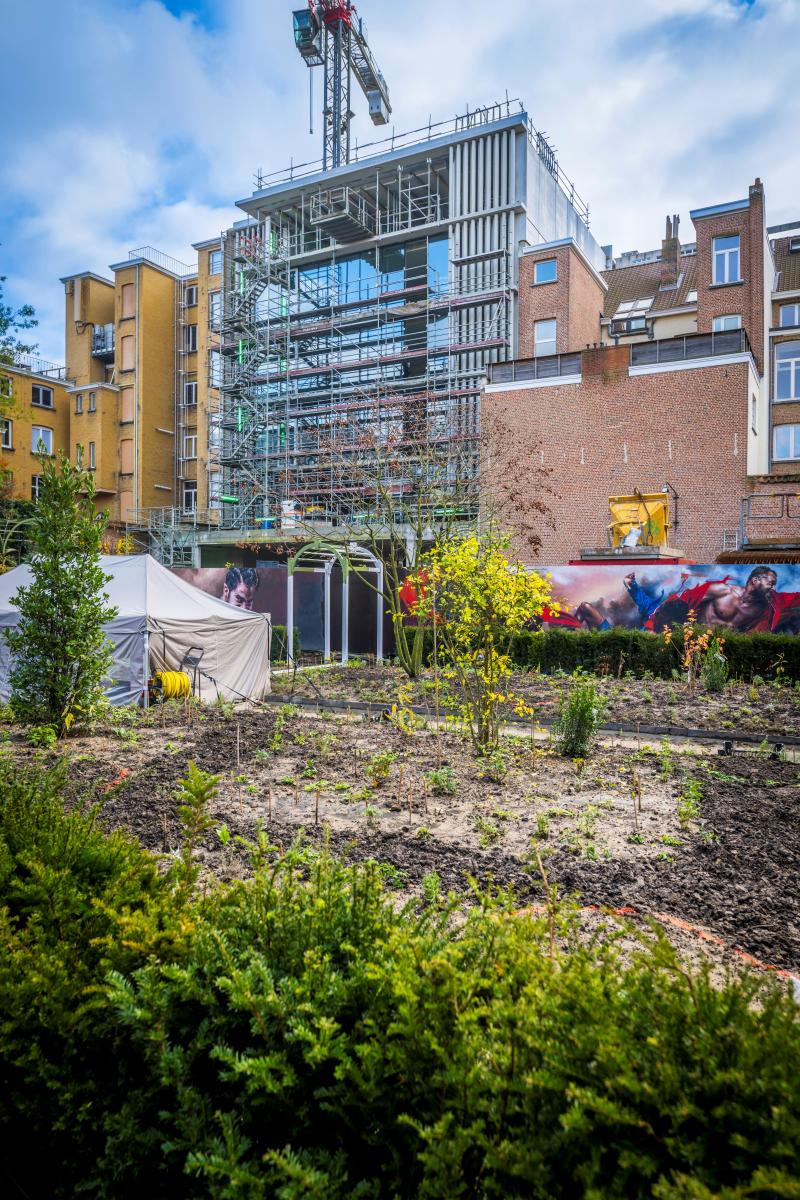
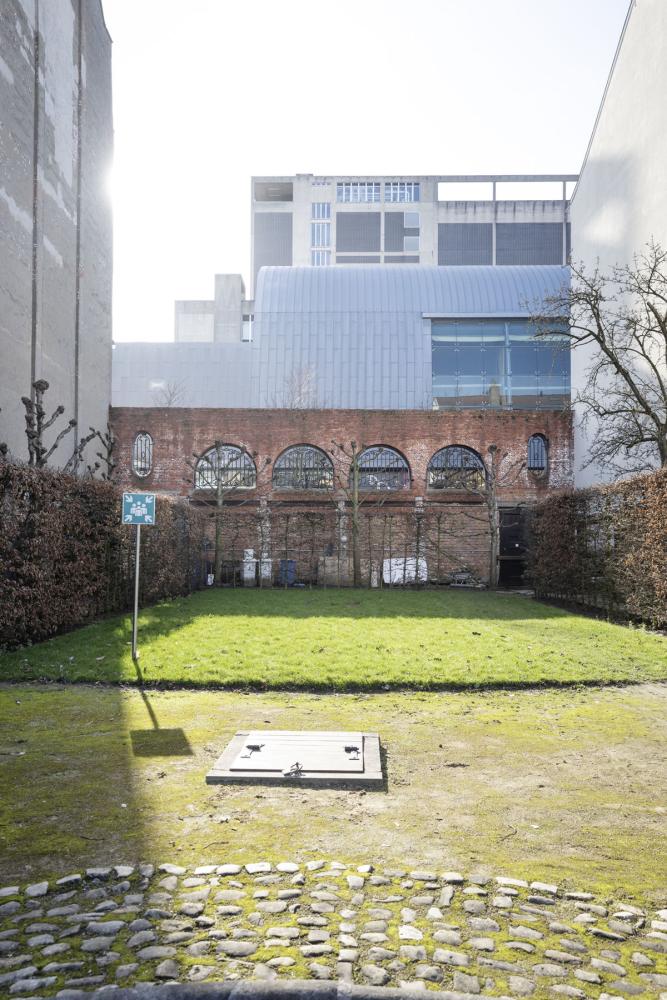
Paul Robbrecht: "Absolutely. When Rubens moved here, the Wapper was still a kind of boundary area between Antwerp and 'beyond'. The city got bigger and bigger and today largely takes up the entire vista. You have to imagine the old landscape these days. But the whole complex around Rubens' house - together with the Kolveniershof - was a world in itself back then. With a lot of artistic vibes, but also strong family ties and close friendships. Rubens' mother also lived nearby. Despite the many renovations, these memories are still in the buildings. We added a historical layer with the contemporary construction. That way, we continue writing the story. With a lot of respect for the past, but at the same time convinced that it is almost essential to add something from your own time to a city. Even in a historically valuable environment like the Rubenshuis. In fact, going back in time would be disingenuous.
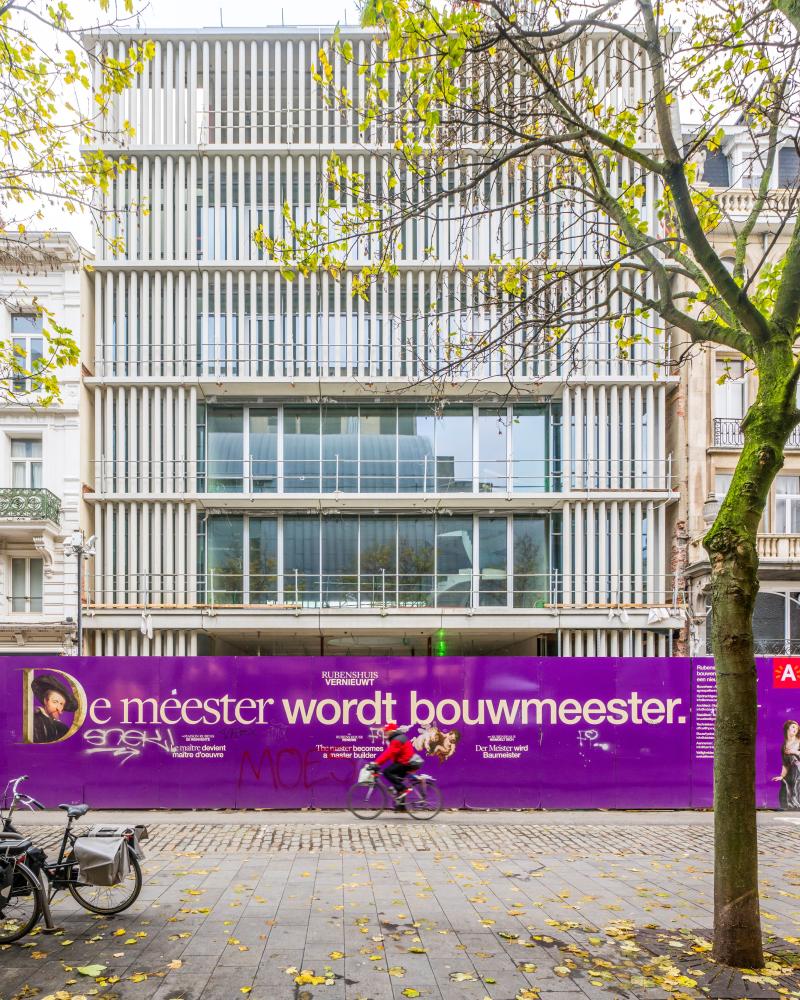
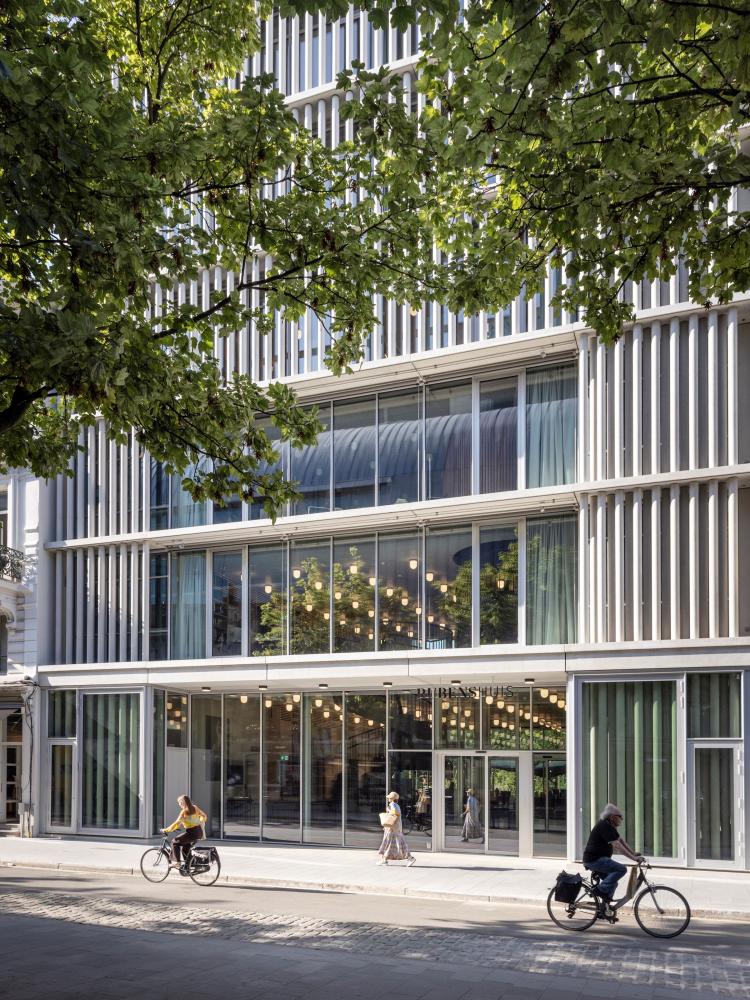
Don't forget, Rubens was a modern architect and he would probably have the same approach as us today. What he built back then was actually just as ground-breaking for the time. He introduced a new form of architecture. Although we shouldn't underestimate the Antwerp of the time. The port connected the city to the whole world, and figures like Plantijn left their mark. It was a metropolis open to new things. Just like today. That's why we sent a very clear and bold signal from the street side: here you step into another world. From the commercial heart straight to the heart of the great artist. Something completely different, that demands more concentration and a keener eye than do the nearby shops."